

Aug 10, 2026 8 min read
Construction Is Local. The Craft Is Universal.

People often ask me whether renovating in Miami is completely different from renovating in New York, New Jersey, Connecticut, Westchester, or the Hamptons.
My answer is always the same: yes and no.
The city changes. The paperwork changes. The climate changes. The approval process changes. The buildings change. But the craft does not.
This idea is the foundation of how we build at Chapter Renovation. Construction is always local. Every market has its own rules, risks, inspectors, weather, and ways of working. But after building in many different places, with different property types and project sizes, I have learned something more important than all those differences: the basics of good construction stay the same.

What Changes by Market - at a Glance
The differences are real. Here is what changes from one market to the next, and what every homeowner should pay attention to, no matter where they are building.
Renovation Experience Across Every Scale
In my career, I have experienced almost every kind of renovation and construction. I built a 200-apartment development in Manhattan and an office building in another country. I renovated a 400-square-foot micro-apartment in New York City, where every inch was important and every mistake was easy to see. I built swimming pools in Miami, where water, humidity, drainage, and climate affect every decision. I did gut renovations of houses in New Jersey, where the work must respect both the building and the family living there. I also worked on homes in Westchester, Connecticut, and the Hamptons, where finish quality, planning, and trust with the local team are just as important as design.
These projects are very different from each other. A large development needs many layers of financing, design, approvals, procurement, and many people working together. A small apartment has no space for mistakes. Everything must fit, and the client notices every detail. A gut renovation in the suburbs is something else again. You are not only rebuilding a house, but also making sure the family can keep living their normal life.
Each project teaches something different. But the more experience you get, the more you see that the basics are always the same.
What Each Market Teaches - New York, Miami, New Jersey, Westchester, Connecticut & the Hamptons
In New York, renovation teaches you complexity. Dense buildings, aging systems, co-op and condo boards, DOB filings, building management, freight-elevator scheduling, protection plans, and tight access all have to be planned before anyone opens a wall. A small mistake can affect a whole building, fast.
In Miami, renovation teaches you respect for climate. You think differently about storms, wind, water, humidity, impact-rated windows and doors, drainage, and how Florida’s building requirements shape every material choice. The environment isn’t a background issue - it’s part of the job.
In New Jersey, renovation has a different rhythm. Township approvals, larger footprints, additions, basements, and family homes that have to keep functioning while the work happens. The project isn’t only design and construction - it’s keeping daily life moving for the people who live there.
In Westchester, Connecticut, and the Hamptons, you learn the importance of local trust. Larger homes, higher expectations, detailed finishes, strict local boards, seasonal timing, and homeowners who expect communication, cleanliness, and accountability. The work feels private and residential, but the standards are extremely high - and a strong local team that knows the towns, inspectors, and suppliers makes all the difference.
Working in other countries taught me something else. Construction is not only technical, it is also cultural. Different trades, standards, and ways of talking on site make you listen, watch, and adapt. Each market has its own language, but construction has its own language too.

The Construction Fundamentals That Don’t Change in Any Market
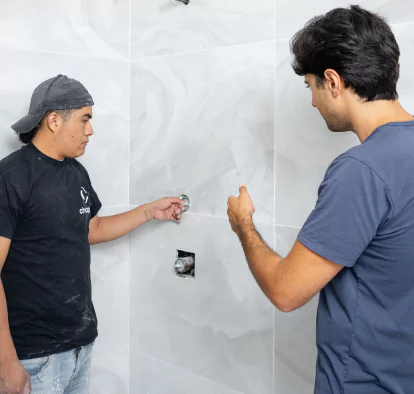
A plumber still has to understand water pressure, drainage, slope, shutoffs, waterproofing, and how their work affects the next trade. An electrician still has to understand load, layout, panels, safety, and future use. Flooring still needs preparation, leveling, moisture control, and a clean install. Cabinetry still depends on accurate measurements, straight walls, proper blocking, and coordination with appliances, plumbing, and electrical.
A bathroom still fails if the waterproofing is wrong. A kitchen still fails if the sequence is wrong. A renovation still fails if the team doesn’t communicate. That’s true whether the project is a luxury apartment, a studio, a suburban home, a pool, or a ground-up development. The scale changes. The fundamentals don’t.
Local Knowledge Matters - But Construction Judgment Matters More
Local codes, zoning, and approvals matter, and good builders respect them. Miami has its own logic because of hurricanes and water. New York has its own logic because of dense buildings and aging infrastructure. New Jersey has its own because of towns, lots, additions, and family needs. Westchester, Connecticut, and the Hamptons each have their own boards, inspection culture, and seasonal timing.
But local knowledge is not enough. You also need good construction judgment. You must understand how trades work together, how to plan the order of work, where the risks are, and how to check quality before it is covered. This is the difference between just working in a market and really knowing how to build.
Quality Is Visible Before the Wall Closes
Experience teaches you to see what others miss - what good work looks like before it’s covered by tile, drywall, or cabinetry. You learn which plumber thinks three steps ahead and which one creates problems for the tile installer. You learn how one small decision today can become an expensive problem three weeks later.
Good construction depends on many small decisions: planning the order of work, buying materials, inspections, coordinating trades, making sure materials are ready, protecting the site, talking with the client, and making sure teams work well together. A clean renovation does not happen by accident. It comes from planning, good judgment, and experience.
How RenoTech™ Protects Your Renovation
At Chapter Renovation, technology is not just a dashboard. It is a way to protect the homeowner. We built RenoTech™ to prevent the two things homeowners worry about most during a renovation: losing control of the budget and losing contact with the people doing the work.
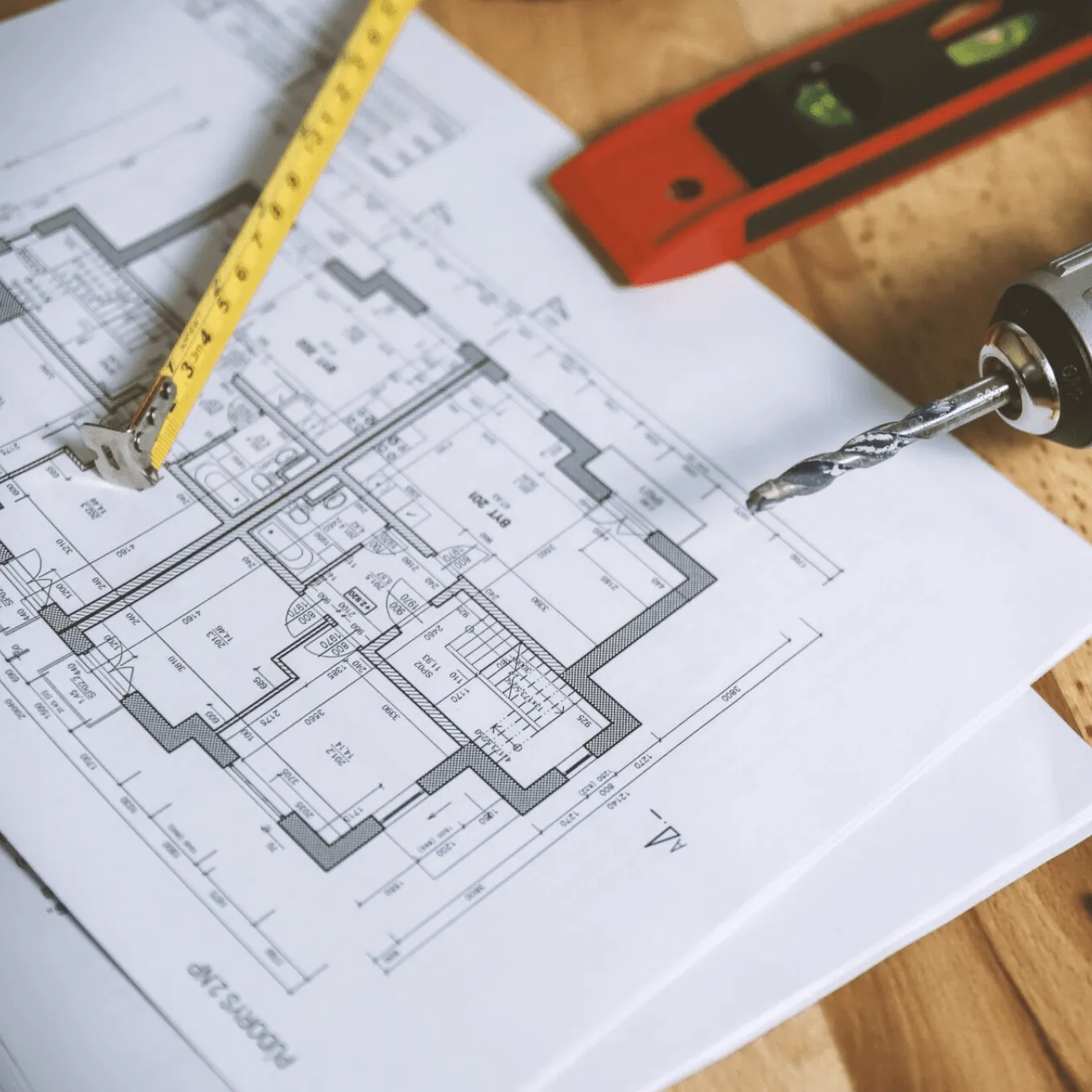
RenoTech™ gives you a single, always-current view of your project- scope, decisions, timeline, and spend in one place. You can see what’s happening, what decisions are needed, where the project stands, and what every change means before it’s approved. That visibility is how a small surprise in week three never becomes an expensive one in week nine and it’s why our clients aren’t left chasing updates or wondering whether a contractor will show up.
But technology only supports good judgment. It does not replace it. Renovation is not just software, pricing, and scheduling. It is a craft. It is knowing what happens behind the wall, under the floor, and between each trade. When you combine that craft with the visibility from RenoTech, you get a renovation that is well-built and fully under control.
Why a Strong Local Team Makes the Difference in Every Market
There is one more lesson that is very important. You need a strong local team. A company can bring standards, process, technology, training, and construction knowledge, but the real work always happens on the ground. You need local professionals who know the city, the inspectors, the buildings, the subcontractors, the suppliers, the weather, and how work really gets done in that market.
That’s true in Manhattan, in Miami, in New Jersey, in Westchester, in the Hamptons, and in Connecticut. The best results come when broad construction experience is paired with strong local execution.
This is the real formula: global experience, local professionals, clear standards, and strong execution.
Do not pretend every city is the same. But do not think every city is so different that nothing can be learned from one to another. The truth is somewhere in the middle.
Construction is always local. The craft is universal. The best renovation teams understand both.
Planning a renovation in New York, New Jersey, Westchester, Connecticut, the Hamptons, or Miami?
Chapter Renovation brings global construction experience, strong local teams, and the RenoTech™ platform into one renovation - to keep your project clear, on budget, and under control. Start your next chapter renovation with a team that understands both the local details and the universal craft.

Frequently Asked Questions
Can a New York renovation company really deliver quality work in Miami, New Jersey, Westchester, or the Hamptons?
Yes. The fundamentals of good construction - sequencing, trade coordination, waterproofing, and quality control - transfer across every market. What changes is local code, climate, and the approval process. The right firm pairs broad construction experience with a strong local team that knows the inspectors, suppliers, and building rules in your specific area. Chapter Renovation works this way across all of these markets.
What’s actually different about renovating in each market?
New York means dense buildings, co-op and condo boards, and DOB filings. Miami means hurricane and wind-load requirements, humidity, and waterproofing. New Jersey means township approvals, additions, and keeping a family in residence during the work. Westchester, Connecticut, and the Hamptons mean high-finish expectations, strict local boards, and seasonal timing.
Why does a local team matter so much in a renovation?
Because execution happens on the ground. Local professionals know the inspectors, the buildings, the subcontractors, the suppliers, and the seasonal pressures of a market. Pairing that local knowledge with broad construction experience is what produces a clean, predictable result.
How does Chapter Renovation's technology help during a renovation?
Chapter Renovation's RenoTech™ platform gives clients a single, always-current view of scope, decisions, timeline, and budget. It’s designed to prevent budget overruns and keep communication clear, so homeowners always know what’s happening and what each decision costs before it’s approved.
Does Chapter Renovation only work in New York City?
No. Chapter Renovation renovates homes across New York City, New Jersey, Westchester, Connecticut, the Hamptons, and Miami - combining global construction experience with strong local teams in each market.
Start your journey with
Chapter Renovation