


Sep 02, 2026 6 min read
Design-Build vs Traditional General Contractor: For Major Home Remodels

Which Is Better for a Major Home Remodel?
When planning a major home remodel, one of the first decisions homeowners face is whether to hire a traditional general contractor or choose a design-build approach. The choice between design-build vs general contractor can significantly affect your project timeline, budget, and overall experience. Understanding the differences, benefits, and potential drawbacks of each method is essential for making an informed decision.
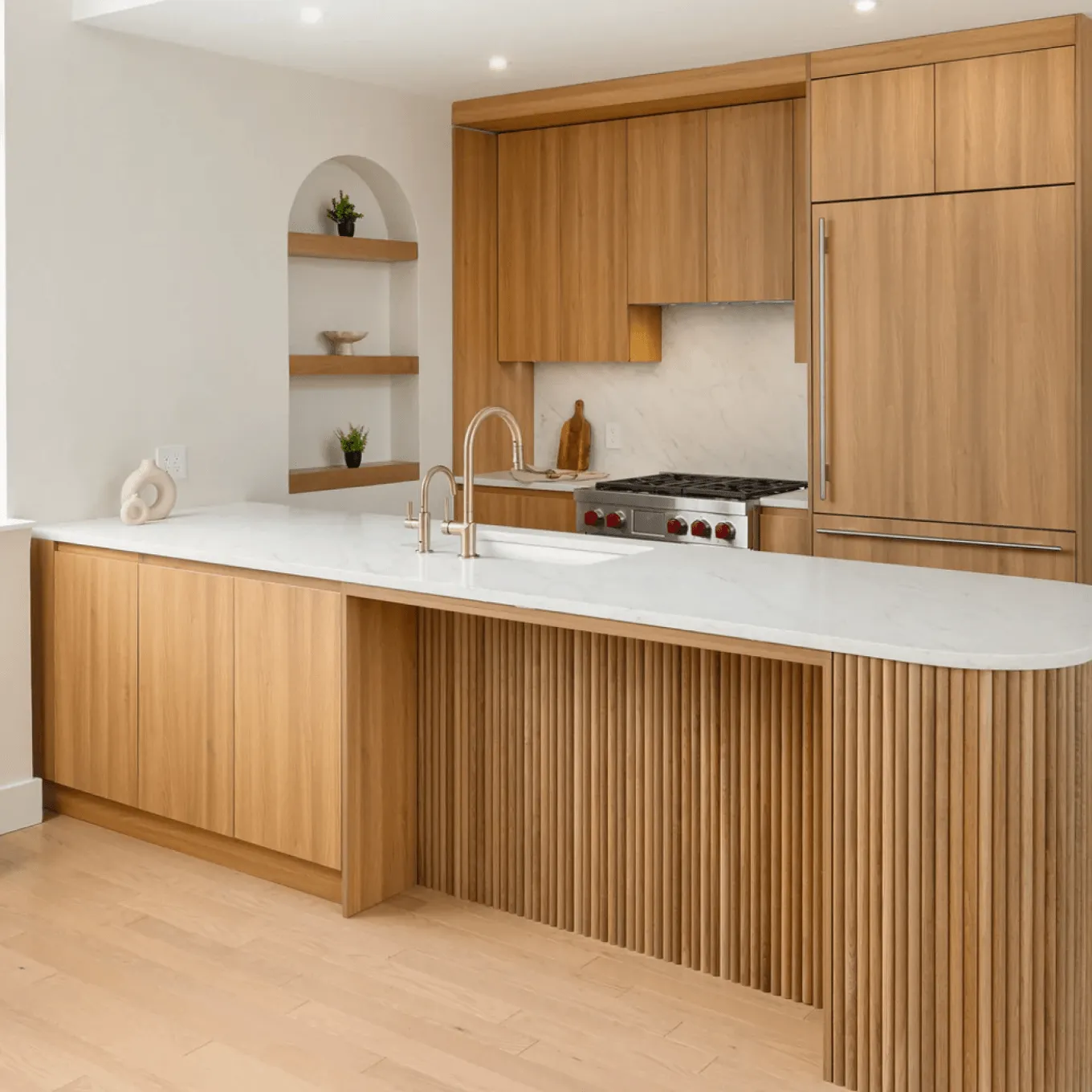
In this guide, we’ll break down the design build remodel process, compare it to traditional construction, explore the pros and cons of design-build, and answer the most common question: is design build more expensive?
The Difference Between Design-Build vs Traditional Construction
Design-build vs traditional construction primarily differs in how the project is managed and who is responsible for coordination
Traditional General Contractor Model
In this approach, homeowners separately hire architects or designers and then contract a general contractor to execute the construction. Communication flows between three parties: you, the designer, and the contractor. This model can work well for smaller projects but often requires more hands-on coordination from the homeowner.
Design-Build Model
A single firm like Chapter Renovation handles both design and construction under one. This unified approach streamlines communication and ensures that design decisions consider construction feasibility from the start. The design build remodel process typically begins with a concept design, followed by budgeting, approvals, and construction, all managed by one team.

Step-by-Step Design Build Remodel Process
For homeowners curious about how a design-build remodel works, here’s a typical step-by-step process:
- Initial Consultation & Goal - Define project goals, desired outcomes, and budget, and discuss style preferences, functionality, and must-haves.
- Design Phase - Architects and designers collaborate with construction experts to create a detailed plan. Plans include layouts, materials, finishes, and any structural modifications.
- Budgeting & Proposal - The design-build firm provides a comprehensive cost estimate, often reducing surprises compared to separate design and construction contracts.
- Permits & Approvals - The team manages local permit requirements and compliance with building codes, saving the homeowner administrative effort.
- Construction Phase - Building begins under the same team that designed the project, which can minimize delays caused by miscommunication between designer and builder.
- Final Inspection & Handover - Quality checks ensure the work meets expectations, and any final adjustments are completed before you use the space.
The seamless transition from design to construction is one reason many homeowners consider design-build vs traditional construction for major remodels.
Pros and Cons of Design-Build
Like any approach, design-build has advantages and trade-offs. Here are some key pros and cons of design-build:
PROS:
- Single point of accountability for both design and construction
- Often faster project timelines due to integrated planning
- Fewer miscommunications and change orders
- Simplified budgeting with early cost estimates
CONS:
- Less separation between designer and builder, which may limit checks and balances
- Some firms may have fewer vendor or material options compared to hiring separate specialists
- Potential perception that design-build is more expensive upfront, though savings often occur in reduced change orders and project delays
Understanding these factors can help homeowners decide if the efficiency of design-build outweighs potential cost differences.
Is Design-Build More Expensive?
A common concern is whether design build is more expensive than hiring a traditional general contractor. The answer isn’t straightforward:
- Upfront costs: Design-build firms may quote slightly higher initial prices because they provide a full-service package including design, project management, and construction.
- Long-term savings: Integrated planning often reduces change orders, delays, and miscommunication, which can save money during construction.
- Value vs cost: Many homeowners find the reduced stress, faster timeline, and consistent quality worth the investment.
Ultimately, the total cost depends on project scope, materials, and local market conditions, but a well-managed design-build remodel process can be competitive with traditional construction in overall value.
Key Considerations
When deciding between design-build vs general contractor, consider the following:
Project Complexity
Major renovations with structural changes or extensive design requirements benefit from a design-build approach. Simpler and smaller remodels may work well with a traditional general contractor.
Communication Preferences
If you prefer a single point of contact and less involvement in day-to-day coordination, design-build is ideal. If you want direct control over each vendor and designer, traditional may suit you better.
Timeline Goals
Integrated design-build teams often deliver faster because planning and construction overlap efficiently. Traditional projects may experience longer timelines due to sequential phases and multiple contracts.
Budget Management
Design-build firms provide early cost estimates, potentially reducing surprise expenses. Traditional projects may require more homeowner involvement in tracking costs and managing contracts.
Deciding between a design-build firm and a traditional general contractor is about balancing cost, convenience, and control. Design-build vs traditional construction each has unique advantages, but for many homeowners, the streamlined design build remodel process offers significant benefits: faster timelines, fewer miscommunications, and a single accountable team.
At Chapter Renovation, we help property owners navigate this decision with expert guidance on project planning, contractor selection, and local permits. Whether you’re considering a full-scale renovation or a targeted remodel, our team can help you choose the approach that aligns with your goals and ensures your project runs smoothly from start to finish. Explore more of our resources to learn about managing home remodels, working with contractors, and designing your ideal living space. Let us help you turn your vision into reality while keeping your project on time, on budget, and stress-free
Frequently asked questions
How long does a full home renovation typically take with Chapter Renovation?
We pride ourselves on efficiency without compromising quality. Our current average project duration is 38 weeks from start to finish. By utilizing our proprietary Renotech™ system, we streamline workflows to ensure your home is move-in ready much faster than industry standards.
What is Renotech™ and how does it benefit my renovation?
Renotech™ is our technology-driven approach to design and construction. It enables high-precision 3D modeling, real-time budget tracking, and seamless communication. This tech ensures your project stays on schedule and eliminates the "guesswork" often found in traditional builds.
What is the difference between a design-build firm and a traditional general contractor?
In a traditional model, you hire separate professionals, an architect for plans, a designer for interior design, and then a general contractor to execute them. This can lead to miscommunication, delays, and budget discrepancies as each party works independently. The design-build approach eliminates that friction. Chapter Renovation's vetted architects, in-house designers, and builders work together from day one. This creates a smoother workflow, ensures accurate cost estimates early in the process, and keeps accountability with one team responsible for both design and construction.
How long does a design-build renovation take?
Every project is unique, but most design-build renovations in NYC take 6 to 12 months from start to finish. The timeline includes building approvals, design, permitting, and construction. Smaller projects like single bathrooms or kitchens can take a few months, while full-home renovations or townhouse remodels take longer, especially when structural work or multiple approvals are required. Our Renotech™ Client Portal keeps you informed throughout the process with real-time schedules, milestone tracking, and photo updates so you always know what phase your project is in.
Start your journey with
Chapter Renovation