


Aug 20, 2026 5 min read
Is Your Project a Gut Renovation? Comparing Renovation Types, Costs & Timelines

If you’re early in a remodeling project, one question tends to come up fast: Is this a gut renovation, or something else entirely? The answer matters more than most homeowners realize. Different types of home renovations come with very different costs, timelines, risks, and planning requirements.
In this guide, we’ll break down what a gut renovation is, how it compares to other renovation approaches, and how to determine which path fits your home, goals, and budget. Whether you’re deciding between a cosmetic update and a full overhaul, or somewhere in between, this comparison will help you move forward with clarity.
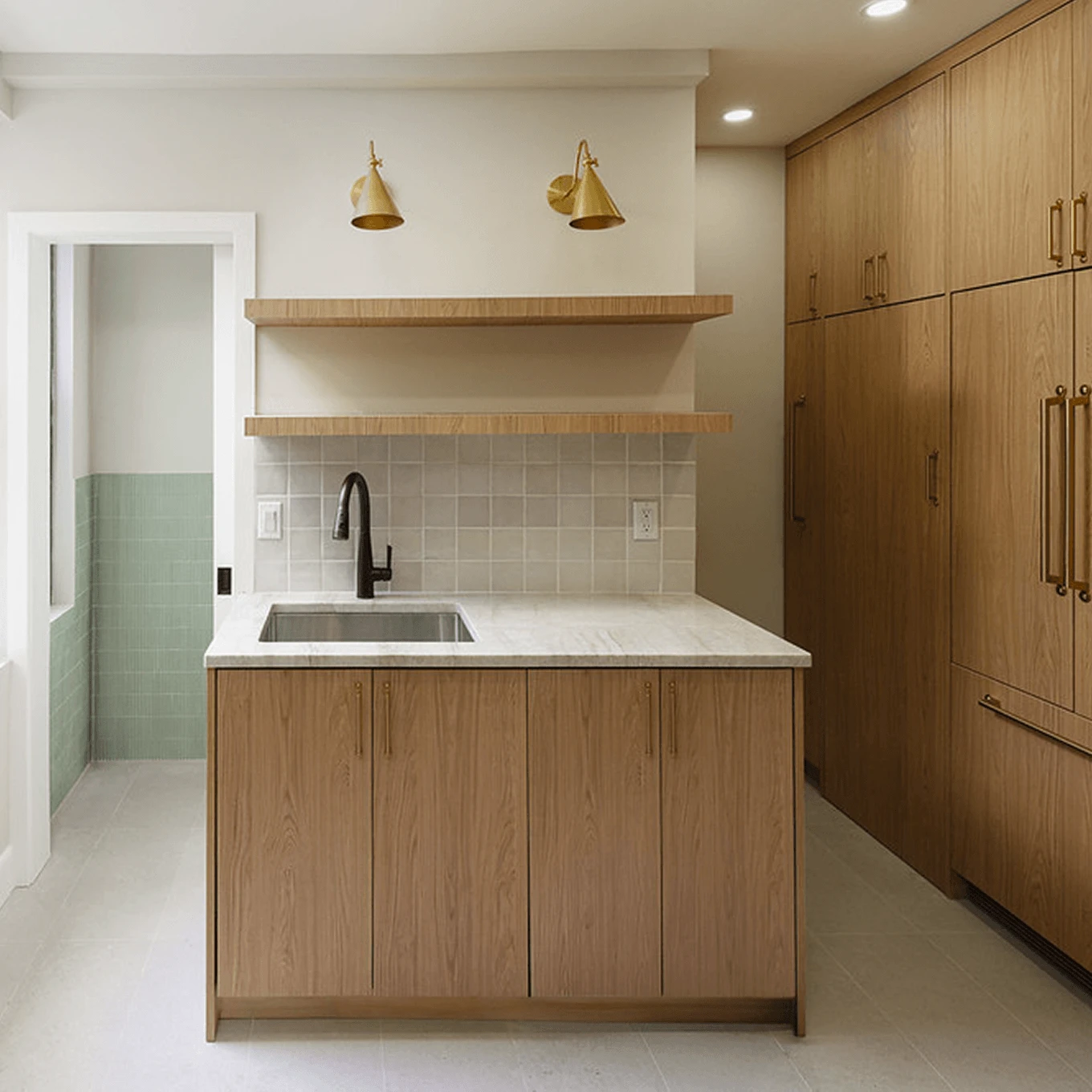
What Is a Gut Renovation?
A gut renovation is the most comprehensive type of remodel. It involves stripping a home, or a major portion of it, down to the structural framing. Walls are opened, systems are replaced, and layouts are often reimagined from the ground up.
In a gut renovation, homeowners typically address:
- Electrical, plumbing, and HVAC systems
- Insulation and energy efficiency
- Structural changes or repairs
- New layouts, finishes, and fixtures
So, what is a gut renovation in plain terms? It’s a full reset of your home’s interior, often used when existing systems are outdated, damaged, or no longer meet modern needs.
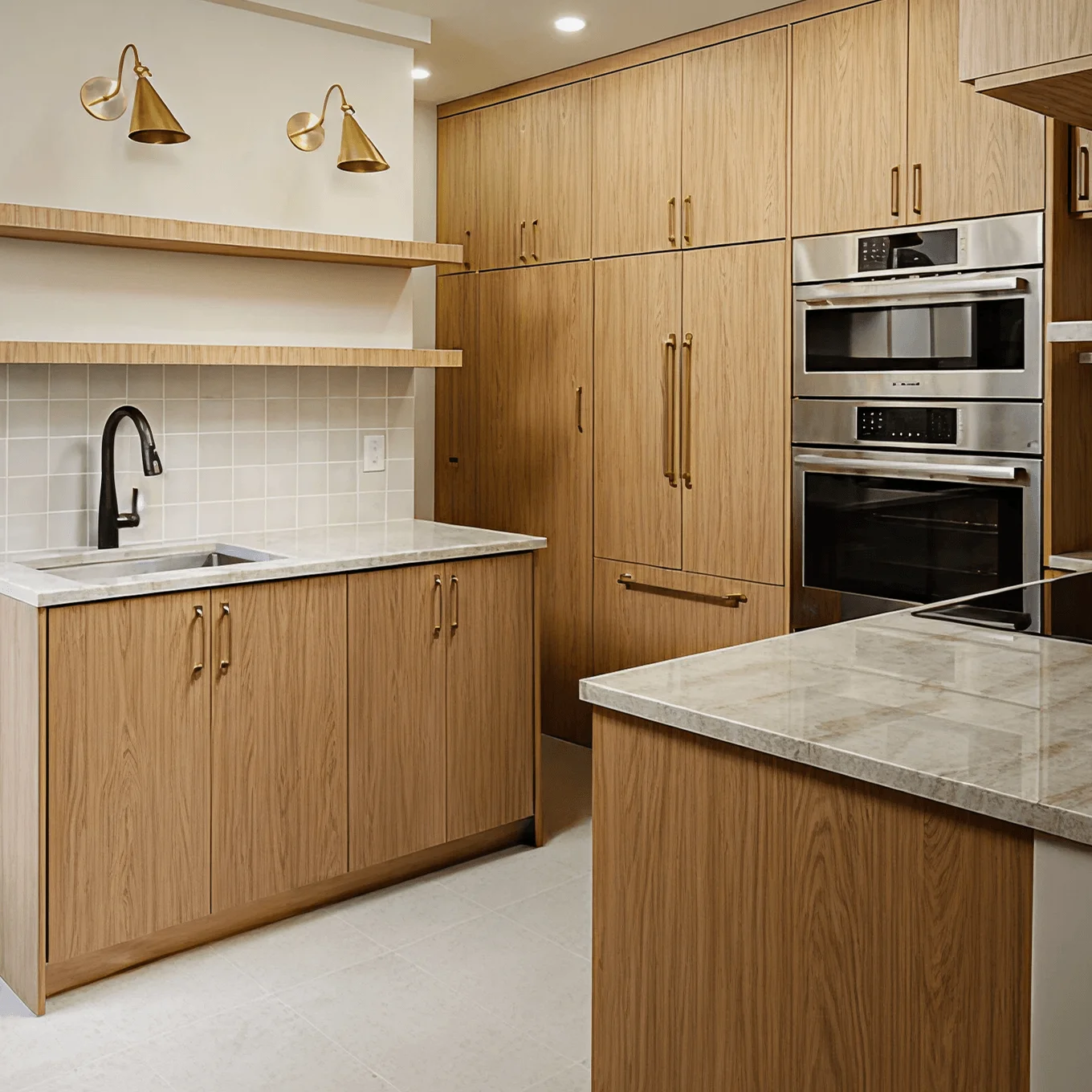
Types of Home Renovations
Not every project needs to go all the way down to the studs. Understanding the main types of home renovations can help you choose the right level of intervention.
Cosmetic Renovation
A cosmetic renovation focuses on surface-level updates without changing layout or systems. Think paint, flooring, fixtures, or cabinetry refacing.
- Lowest cost and shortest timeline
- Minimal permits required
- Ideal for homes with solid infrastructure
This is often what people mean when discussing gut reno vs cosmetic renovation, and the difference is significant.
Partial Renovation
A partial renovation updates specific rooms or systems, like a kitchen remodel or bathroom overhaul .
- Moderate cost and complexity
- May involve limited plumbing or electrical work
- Often compared as partial renovation vs full renovation
Structural or Full Renovation
A full renovation updates multiple areas and may include layout changes or system upgrades, but not always a full gut.
- Higher cost and longer timeline
- More permits and coordination
- Can approach gut-reno scope depending on conditions
Gut Renovation
The most comprehensive option, typically chosen for older homes or major reconfigurations.
Gut Renovation vs Remodel: What’s the Difference?
Homeowners often use “remodel” and “gut renovation” interchangeably, but they’re not the same.
A gut renovation vs remodel comparison usually comes down to scope. For example, a remodel may update spaces without touching underlying systems while a gut renovation replaces or relocates those systems entirely. If walls are staying mostly intact, you’re likely remodeling. If they’re coming down across large portions of the home, you’re probably planning a gut renovation.
Cosmetic vs Structural Renovation: How Deep Are You Going?
Another common decision point is cosmetic vs structural renovation. The distinction hinges on whether you’re altering how the home functions, or just how it looks.
Cosmetic renovations
- Don’t change layout or structure
- Rarely require engineering review
- Are faster and less disruptive
Structural renovations
- Modify walls, openings, or supports
- Require engineering and permits
- Often uncover hidden conditions
A gut renovation almost always includes structural work, even if the exterior footprint stays the same.
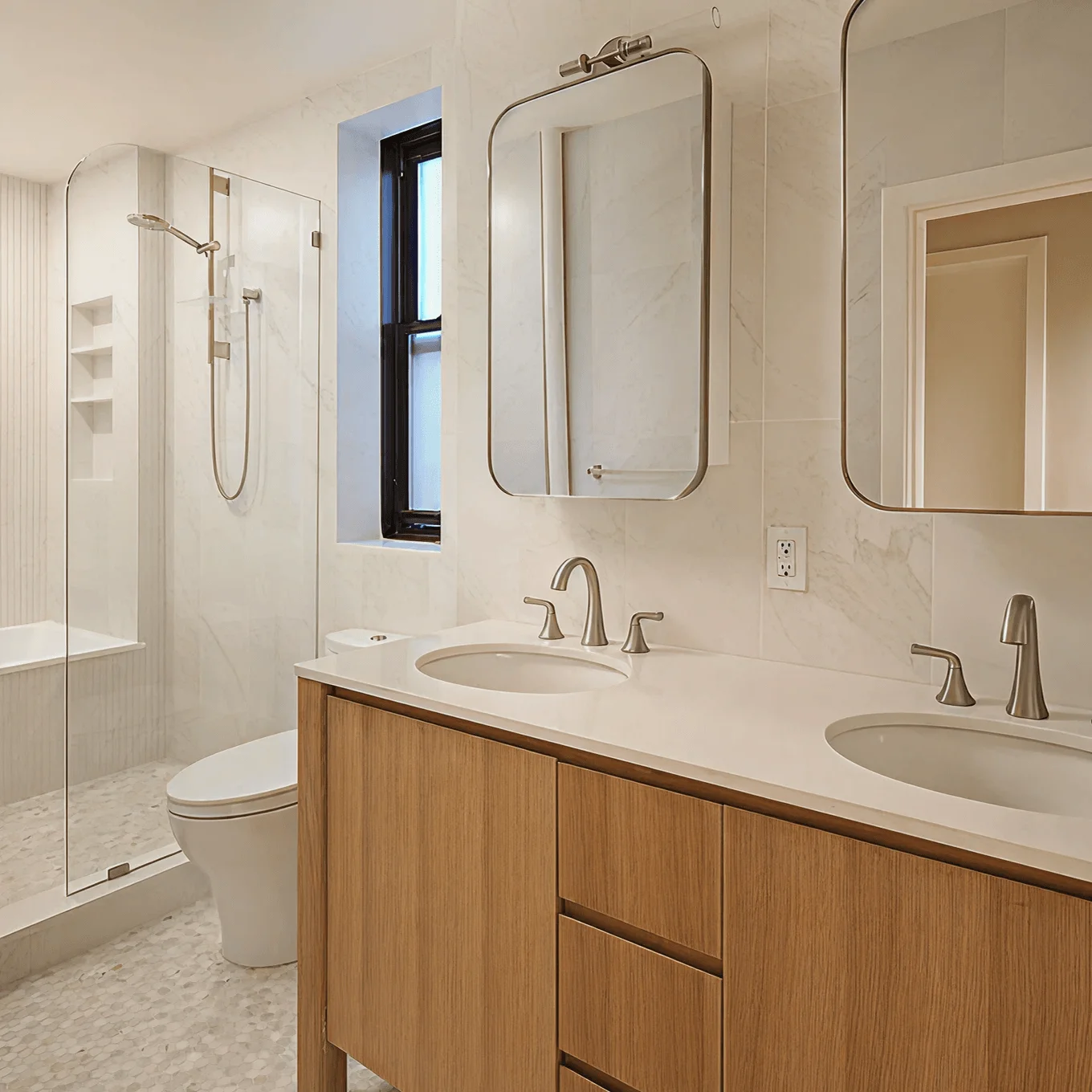
Gut Reno vs Cosmetic Renovation: Cost & Risk Comparison
When weighing gut reno vs cosmetic renovation, cost is only part of the equation.
Cosmetic renovation
- Lower upfront cost
- Fewer surprises
- May postpone necessary system upgrades
Gut renovation
- Higher upfront investment
- Greater planning complexity
- Reduces long-term maintenance risk
For older homes, a gut renovation can prevent recurring issues by addressing aging systems all at once.
Partial Renovation vs Full Renovation: Which Is Right?
Choosing between a partial renovation vs full renovation often depends on how many systems are involved.
A partial renovation makes sense when core systems are in good shape, the layout largely works, and the budget or timeline is limited.
A full or gut renovation may be better when systems are outdated or failing, the layout no longer fits how you live, and you plan to stay long-term.
This decision is often easier with a professional assessment early in the process.
Understanding the Gut Renovation Timeline
A realistic gut renovation timeline is essential for planning. While every project is different, most follow a similar arc:
1. Planning & Feasibility (1–3 months)
2. Design & Permitting (2–5 months)
3. Construction (6–12+ months)
The full gut renovation timeline can range from 9 months to well over a year, especially when local permits or historic review are involved.
When Does a Gut Renovation Make Sense?
A gut renovation may be the right choice if:
- Your home has outdated electrical or plumbing
- You’re planning major layout changes
- You want to improve energy efficiency
- You’re already opening multiple walls
While not always necessary, a gut renovation can be the most efficient long-term solution when multiple issues overlap.
Choosing between renovation types isn’t just about cost—it’s about risk, longevity, and how you want to live in your home. Understanding the differences between a gut renovation vs remodel, or cosmetic vs structural renovation, gives you the clarity to plan wisely.
At Chapter Renovation, we help homeowners evaluate scope early, manage design and construction, navigate local laws and permits, and avoid costly surprises, especially in complex renovations. If you’re weighing your renovation options, explore more resources on our blog or learn how Chapter Renovation can support your project from first idea to final walkthrough.
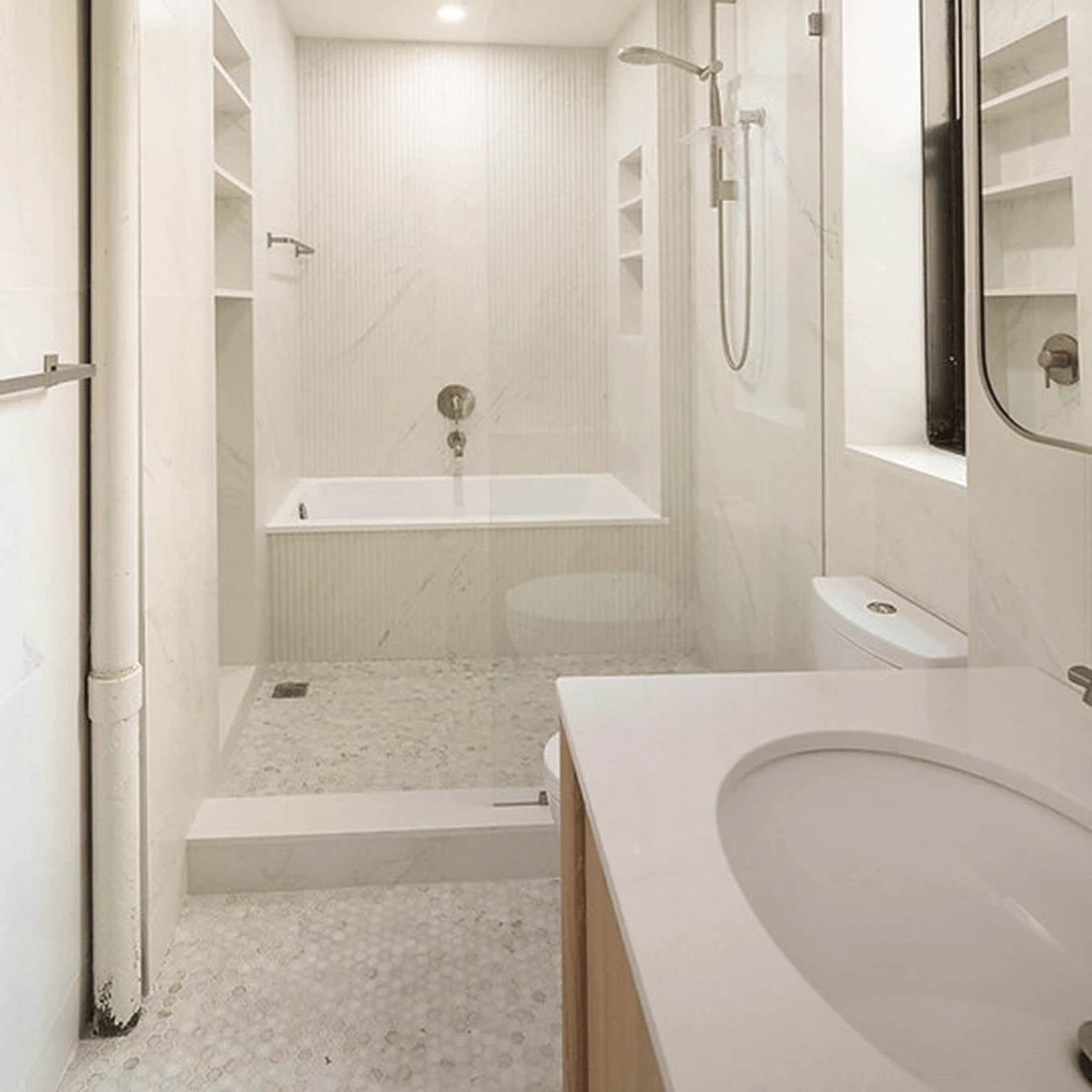
Start your transformation with Chapter Renovation